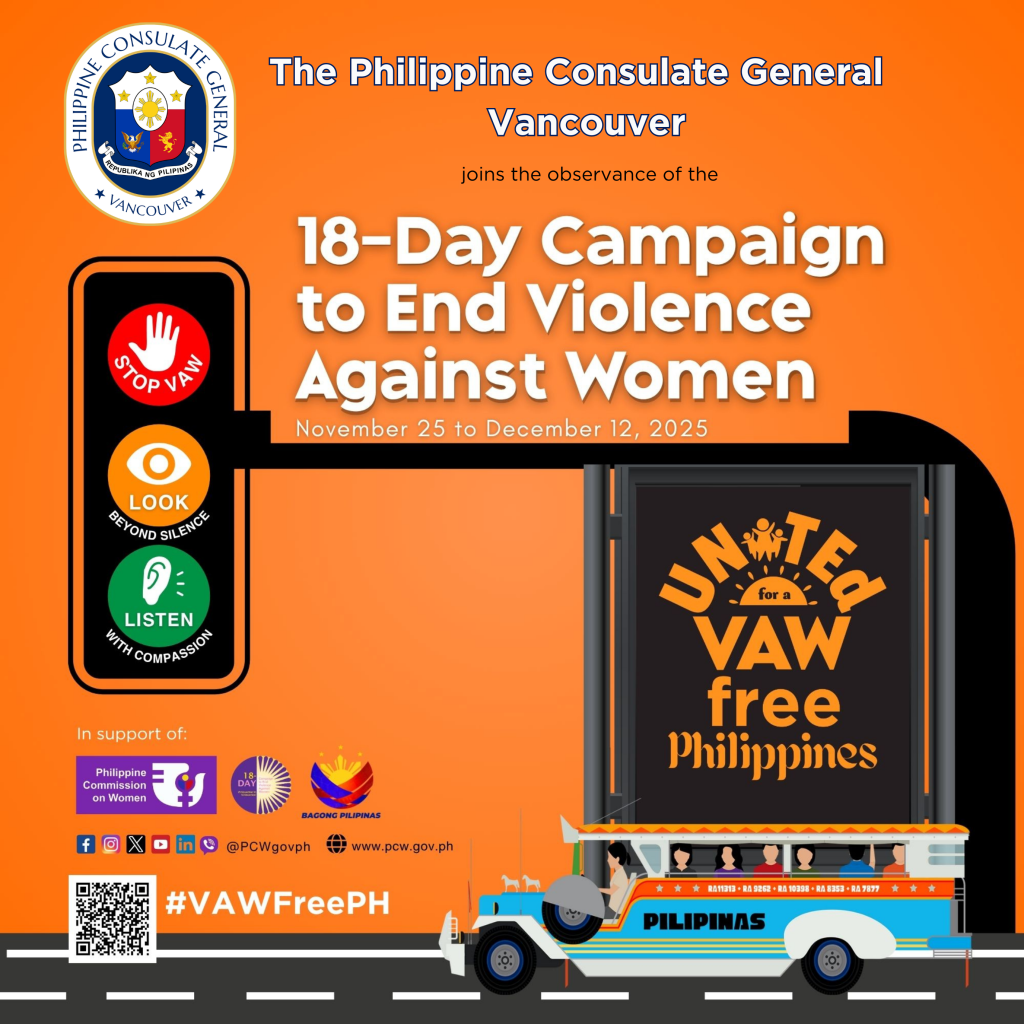
Violence against women and girls remains one of the most pervasive and deeply entrenched human rights violations globally. It is a manifestation of systemic gender inequality, reinforced by harmful social norms, discrimination, and imbalanced power dynamics that continues to place women and girls at risk. Globally, nearly 1 in 3 women—an approximately 736 million women aged 15 and older—have experienced physical and/or sexual violence in their lifetime, often at the hands of an intimate partner. Alarmingly, more than 640 million women have endured intimate violence. The effects are far-reaching, leading to profound and lasting impacts on women’s mental, physical, and reproductive health. In 2023 alone, an estimated 51,100 women and girls were killed by intimate partners or family members—averaging 140 deaths per day—a tragic indicator of the urgency for systemic and sustained action1.
In the Philippines, while progress has been made in advancing gender equality, violence against women remains a serious and ongoing concern. According to the 2022 National Demographic and Health Survey (NDHS), 18% of ever-married women aged 15 to 49—have experienced physical, sexual, or emotional violence from a partner.2 This equates to about 4.8 million Filipinas—each representing a voice that must not be silenced. These troubling statistics continue to emerge even as the Philippines is recognized as the most gender-equal country in Asia by the World Economic Forum’s Global Gender Gap Report.3