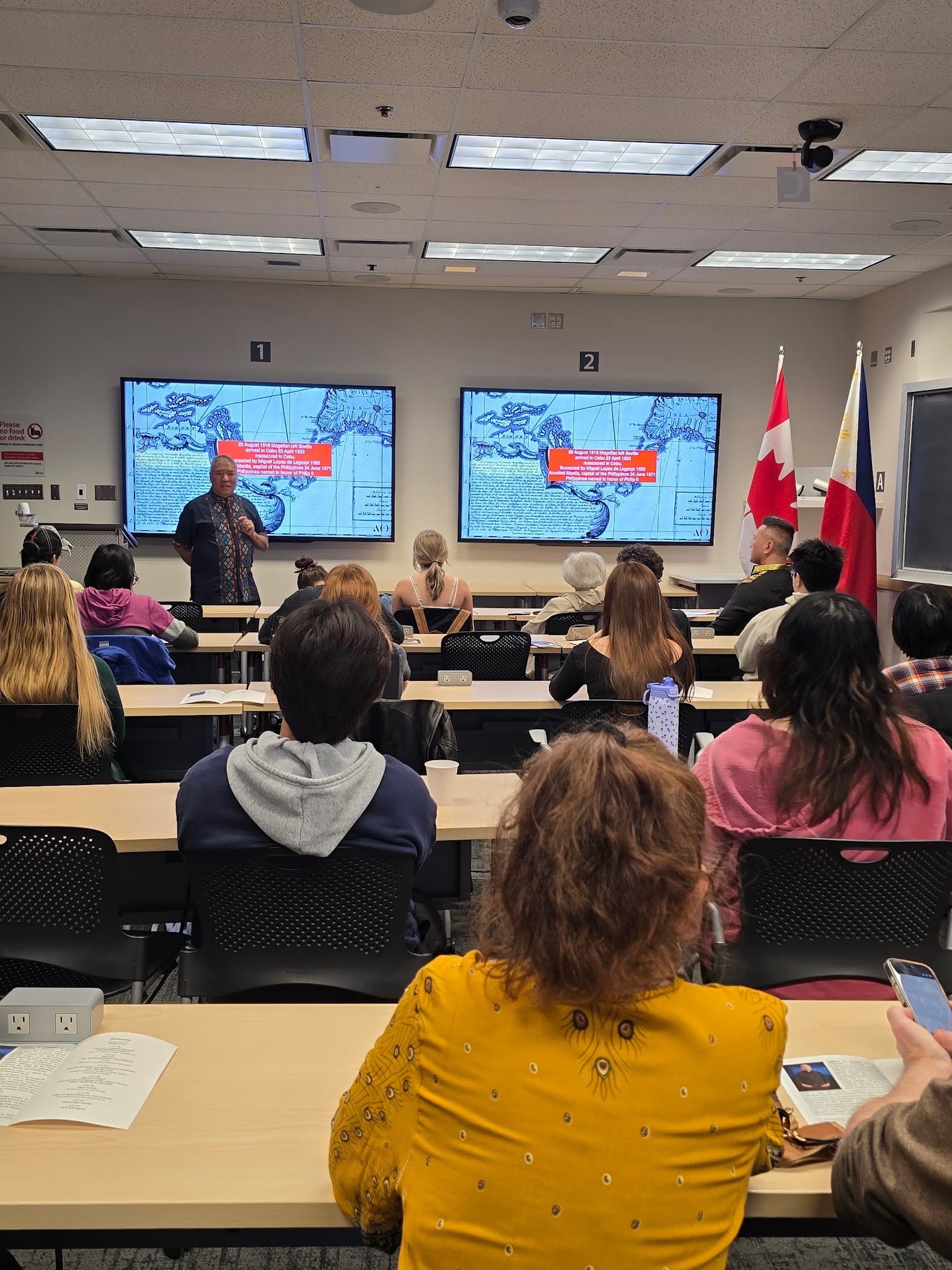
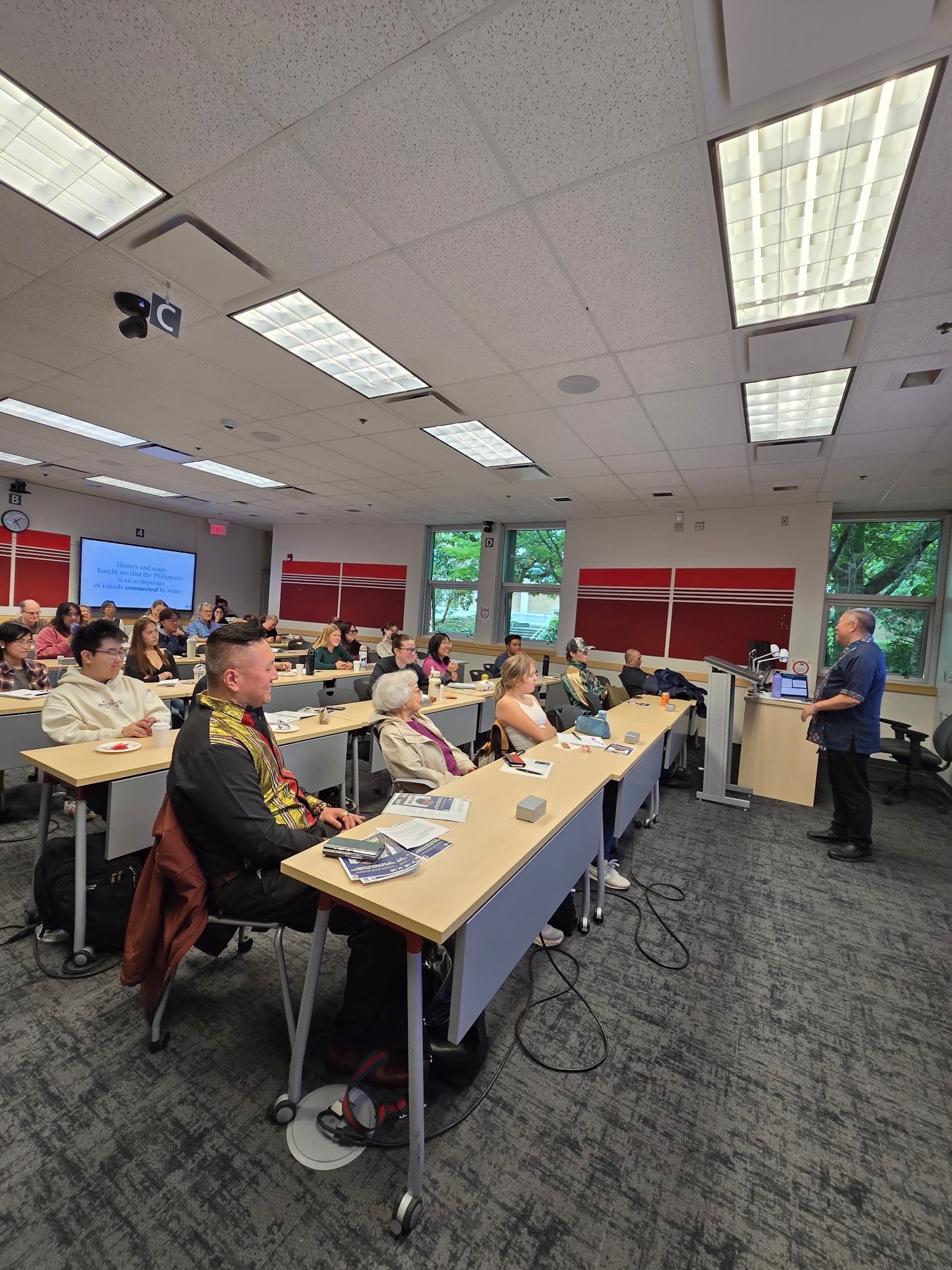
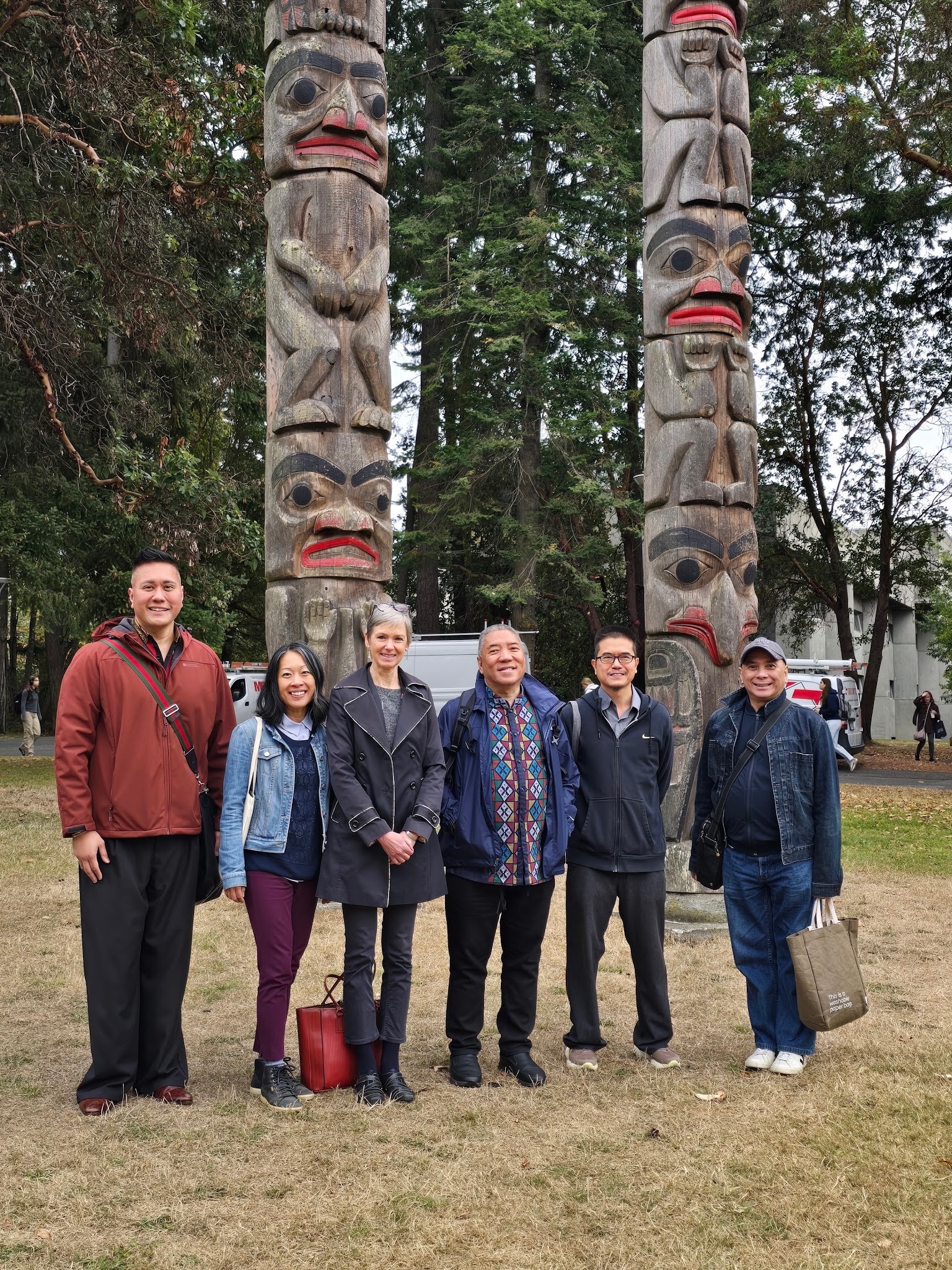
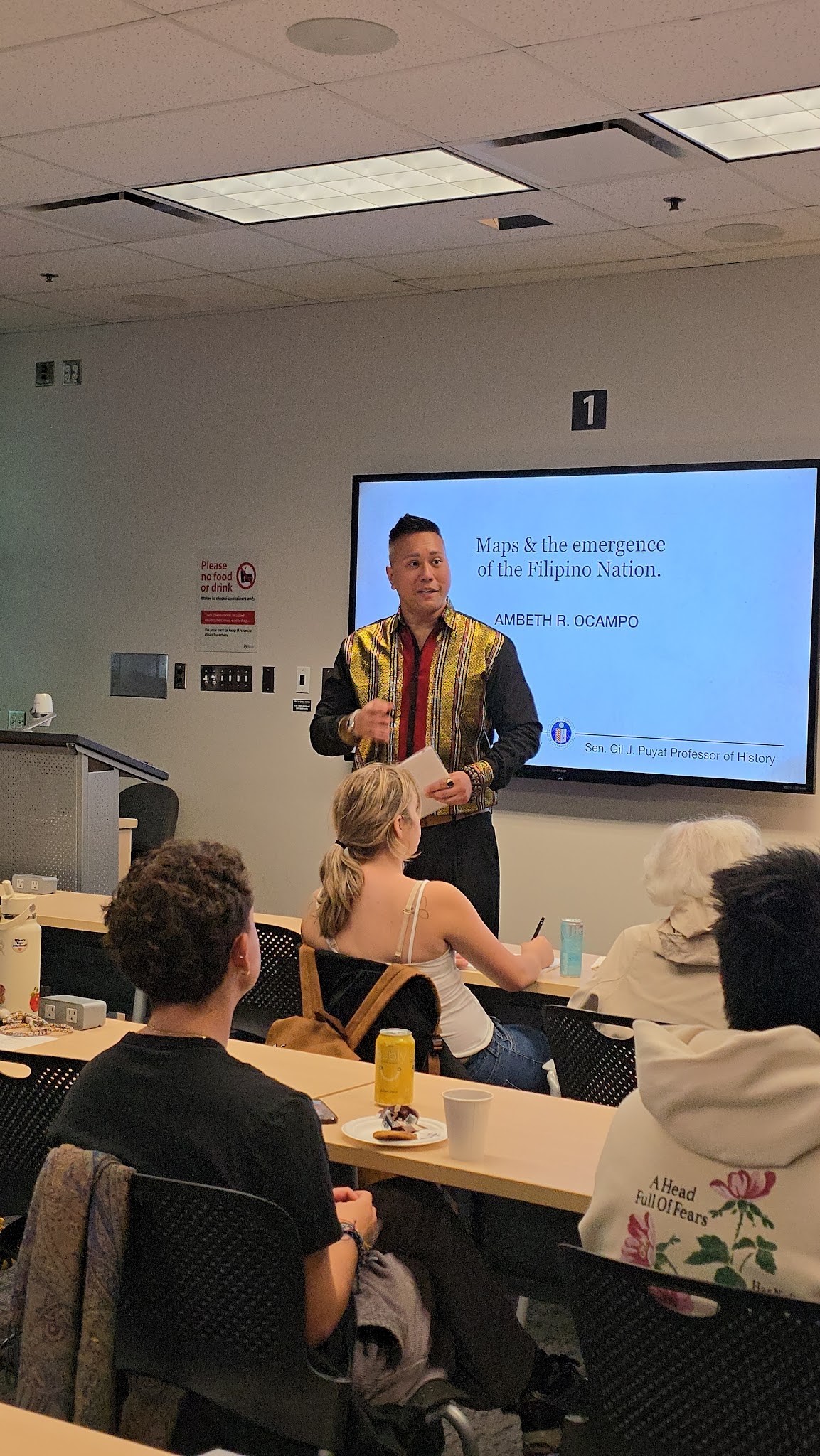
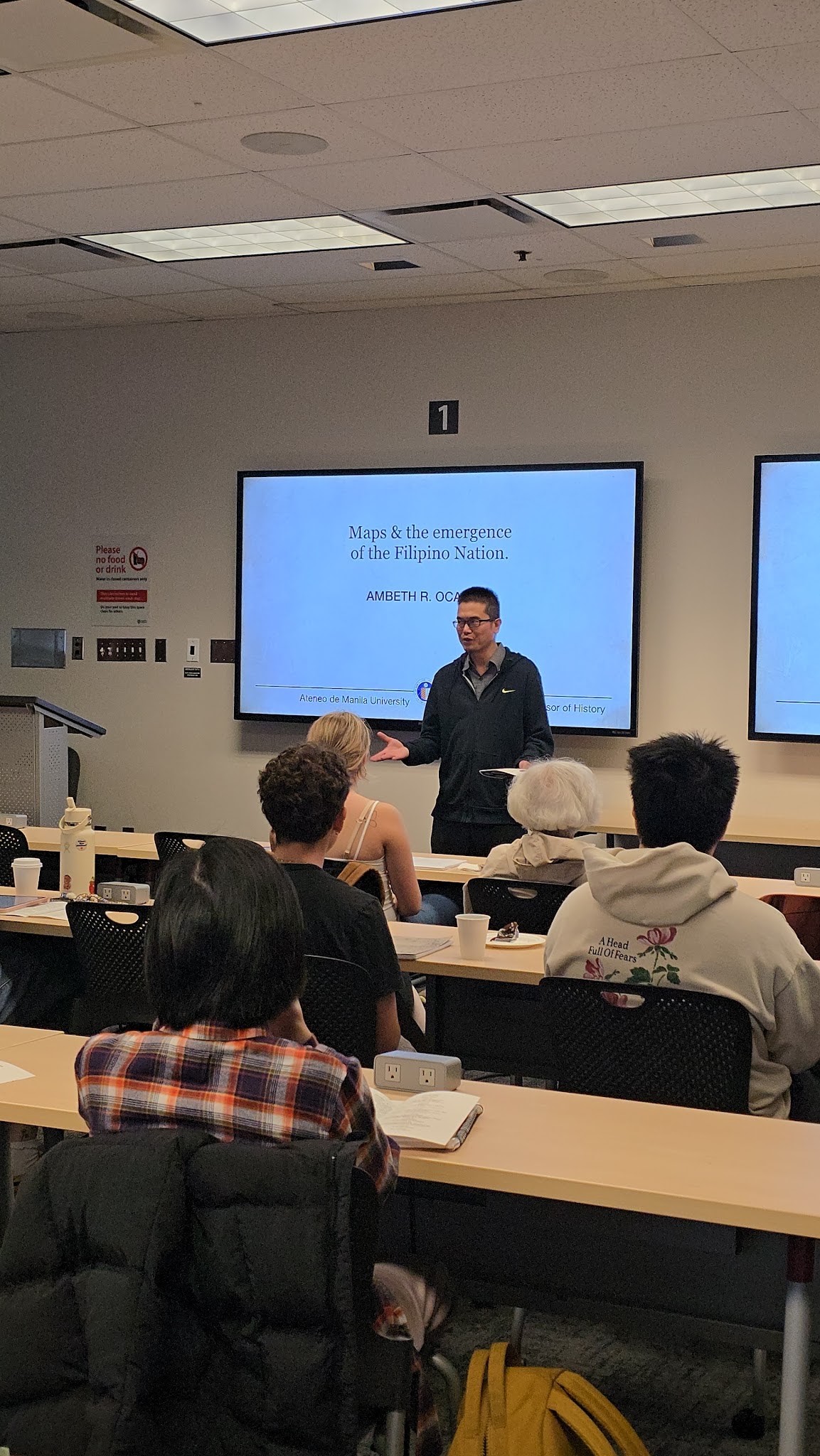
VICTORIA, BC — The Philippine Consulate General in Vancouver and the University of Victoria (UVic) successfully held a special academic lecture by preeminent Philippine historian Dr. Ambeth R. Ocampo on Thursday, 24 September 2026, at the Hickman Building on the UVic campus.
The lecture, titled “Maps and the Emergence of the Filipino Nation,” brought together faculty, students, community leaders, and members of the local Filipino-Canadian community. Held in observance of Philippine Maritime and Archipelagic Nation Awareness Month (MANAMO) and in commemoration of the 10th Anniversary of the landmark 2016 South China Sea Arbitral Award, the program explored how cartography, maritime history, and international jurisprudence intersect to define national identity and sovereign consciousness.
The program commenced with a Territory Acknowledgment delivered by Ms. Sheryl Karras, Director of the UVic Office of Global Engagement, followed by Remarks of Consul General Gina A. Jamoralin delivered by Consul André Peter C. Estanislao of the Philippine Consulate General in Vancouver.
In his remarks, Consul Estanislao on behalf of Consul General Jamoralin expressed sincere appreciation to the UVic Office of Global Engagement—thanking Ms. Karras and External Engagement Manager Ms. Jessica Loh—as well as Dr. Tri Phuong, Assistant Professor of Pacific and Asian Studies, for their hospitality and dedicated partnership.
Highlighting the legal significance of the 2016 Arbitral Award rendered under the United Nations Convention on the Law of the Sea (UNCLOS), Consul Estanislao emphasized:
"Ten years ago, the Permanent Court of Arbitration rendered a historic decision that firmly upheld the primacy of international law. Today, that ruling is an indelible part of the corpus of international law... In the complex realm of international relations, law is the ultimate equalizer. For small and medium-sized powers, international law acts as both our shield and our sword—a shield to safeguard sovereign rights against power politics, and a sword to champion justice and international order."
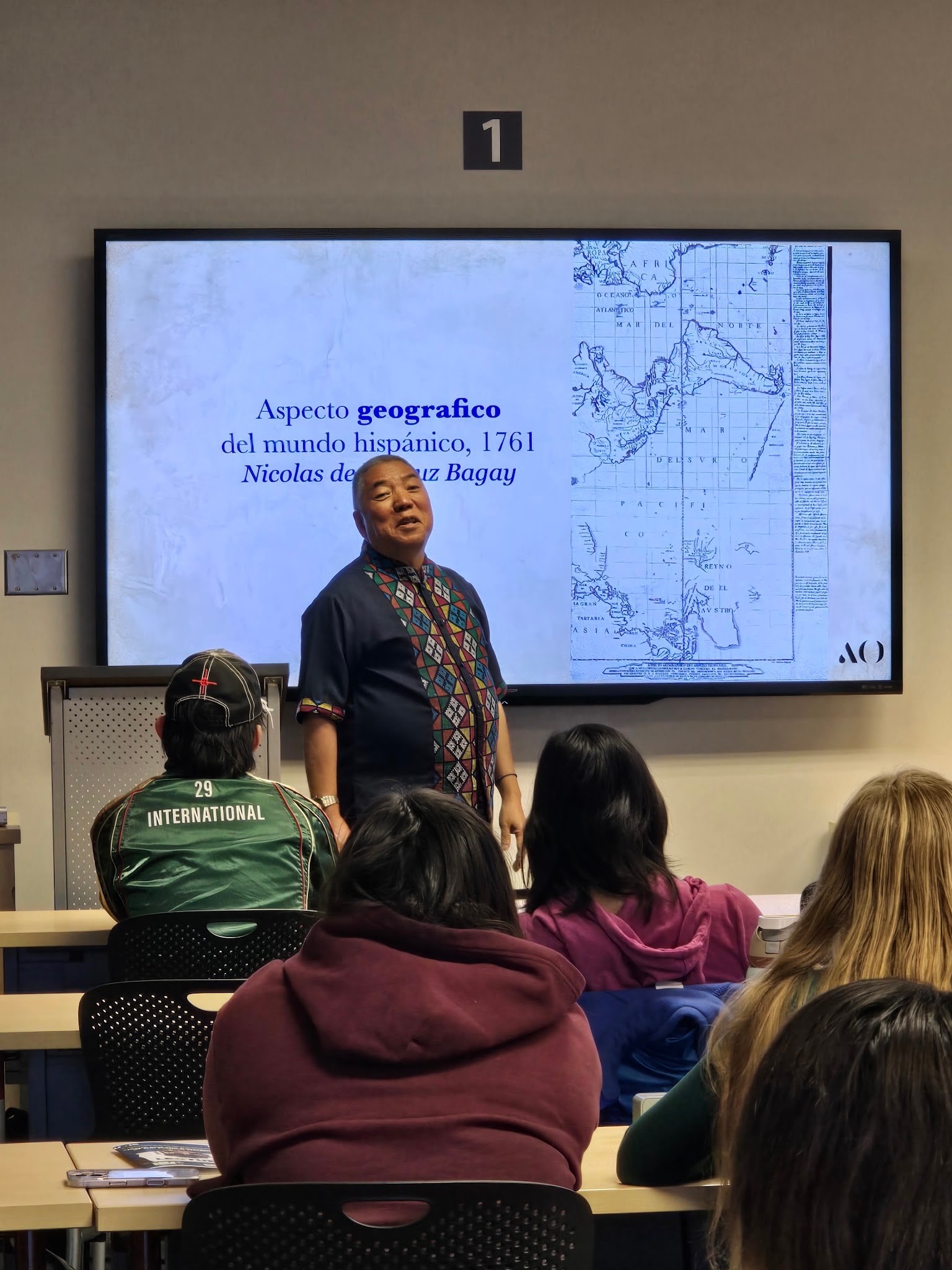
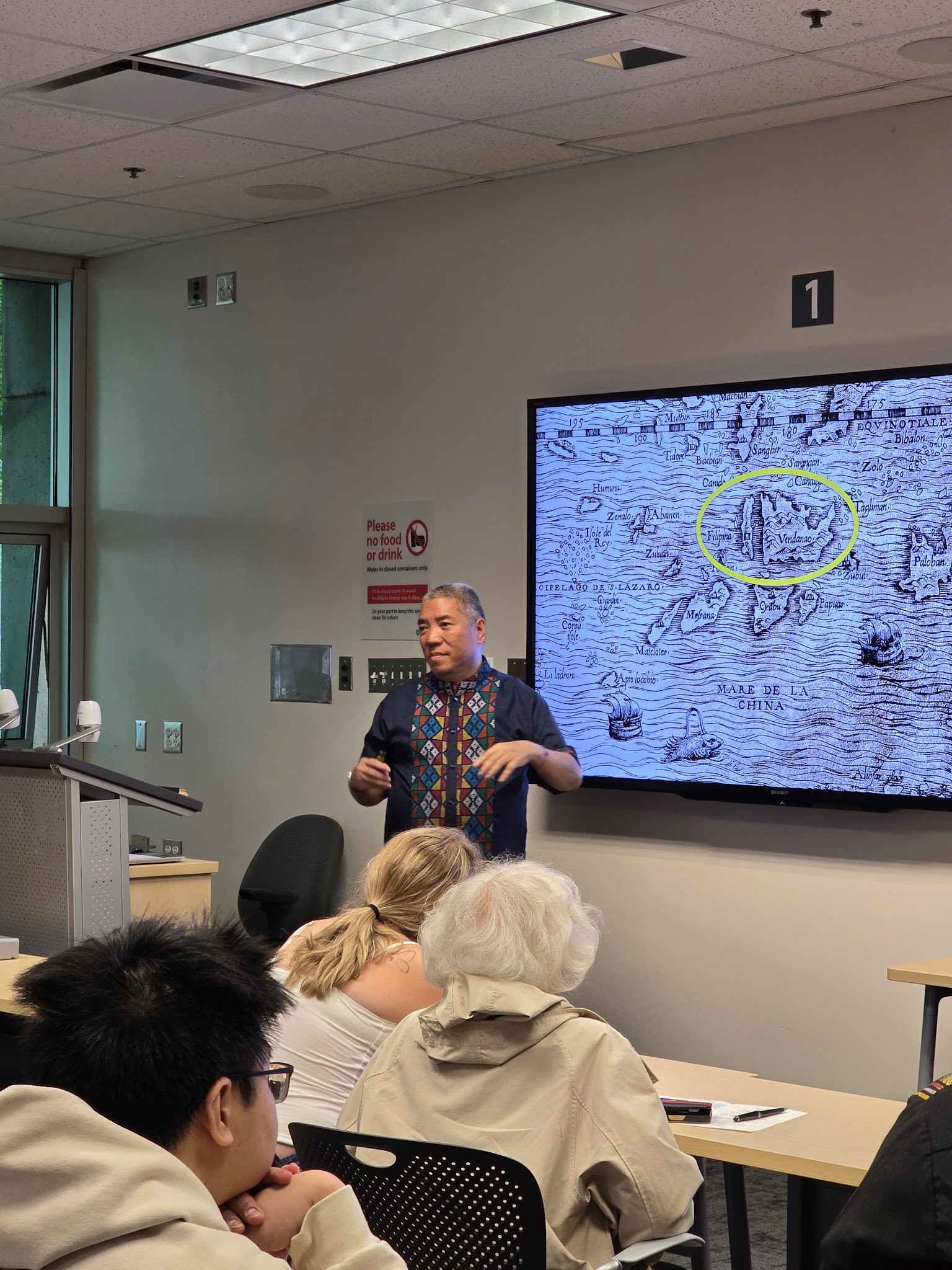
Following an introduction by Dr. Tri Phuong, Dr. Ocampo delivered his feature presentation, examining five centuries of cartography to demonstrate how the physical representation of the Philippine archipelago evolved alongside the national spirit and sovereign identity of the Filipino people. In his lecture, Dr. Ocampo highlighted that historic maps were never mere neutral representations of geography, but were powerful instruments created for territory, empire, and evangelization—toolkits used by colonial powers to claim land, project authority, and expand religious influence. By tracing these historical charts through to modern cartography, he illustrated how the physical contours of the archipelago were documented and contested over time, ultimately giving rise to a distinct Filipino nationhood and an enduring maritime consciousness.
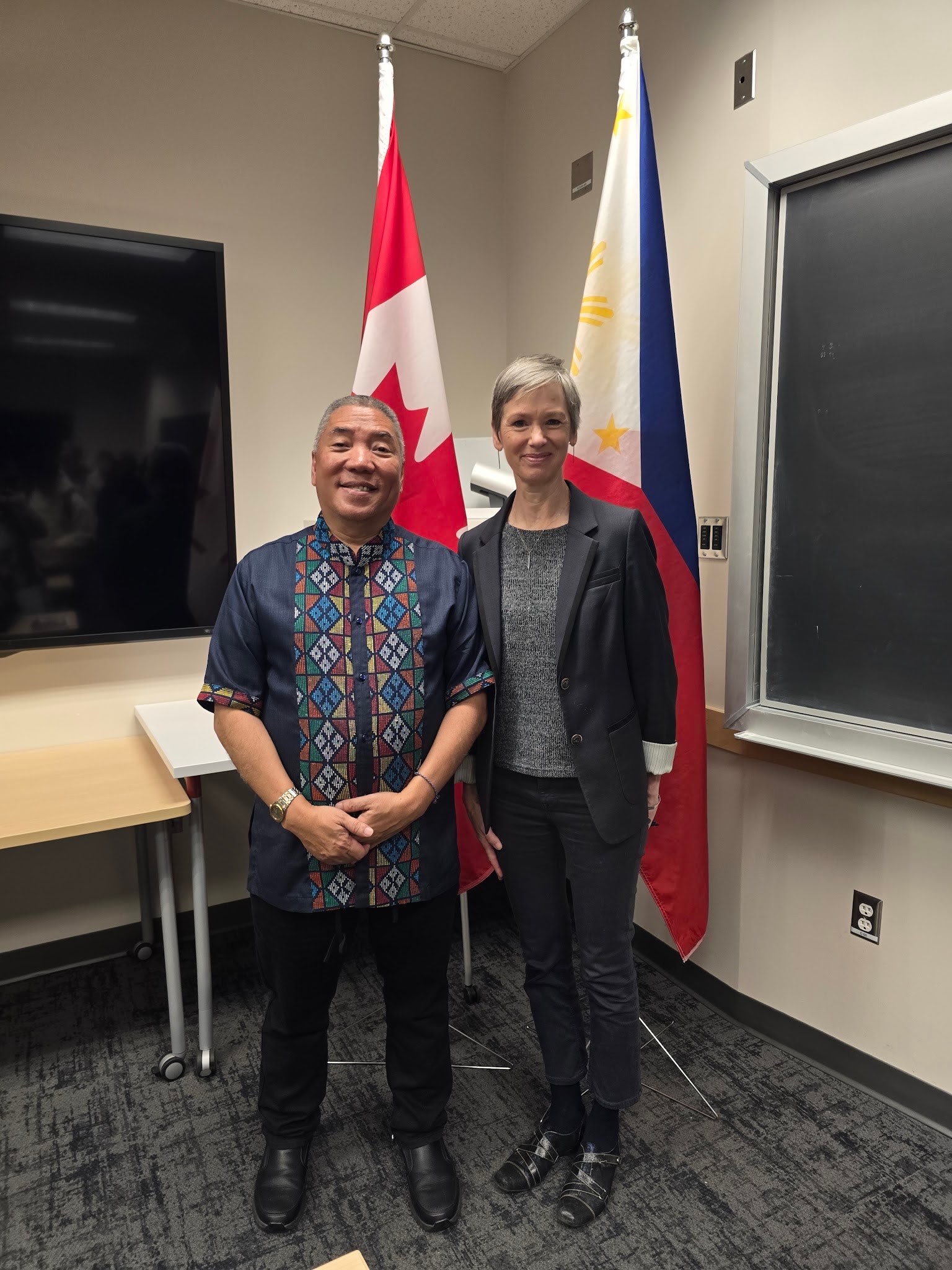
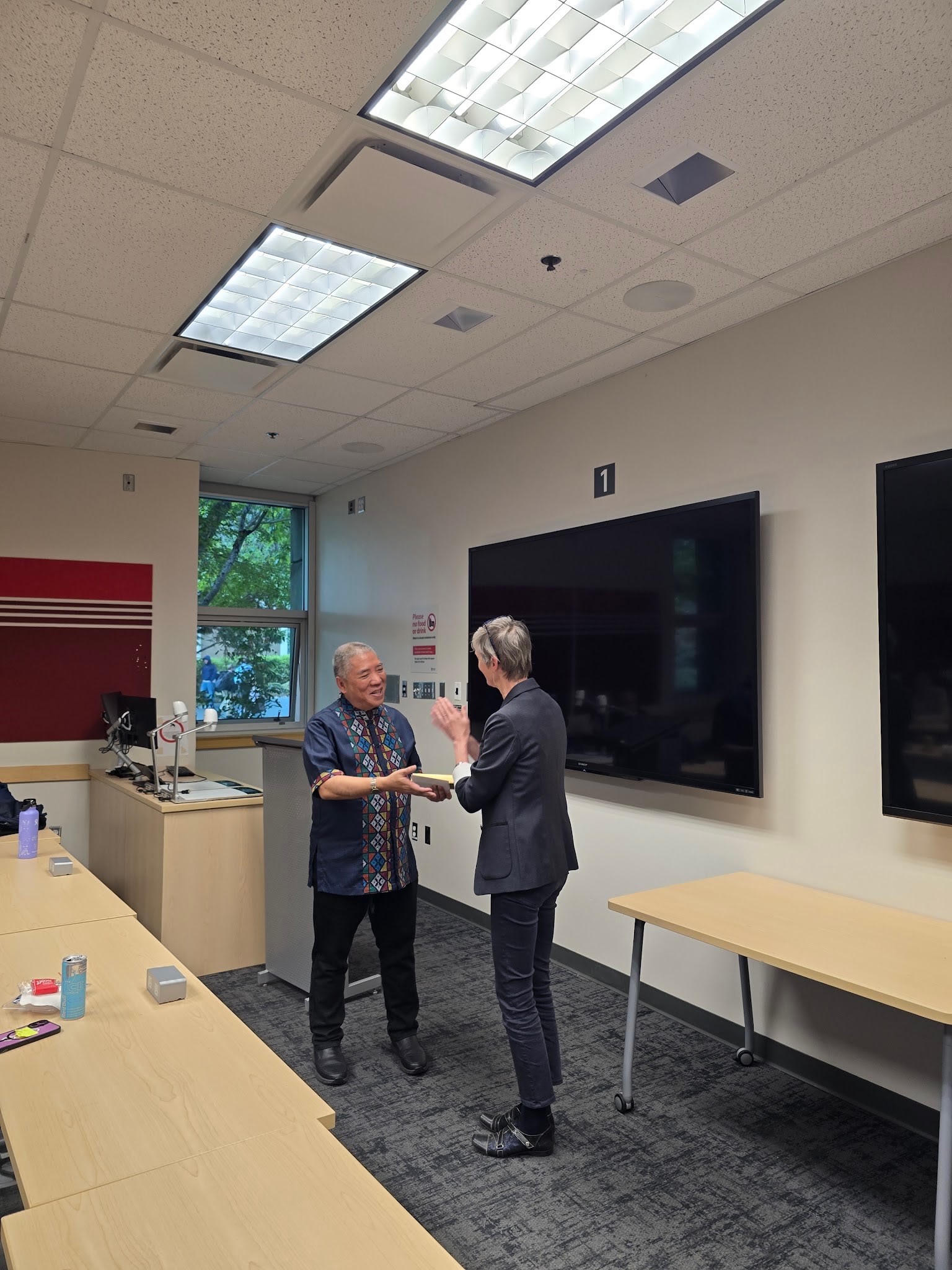
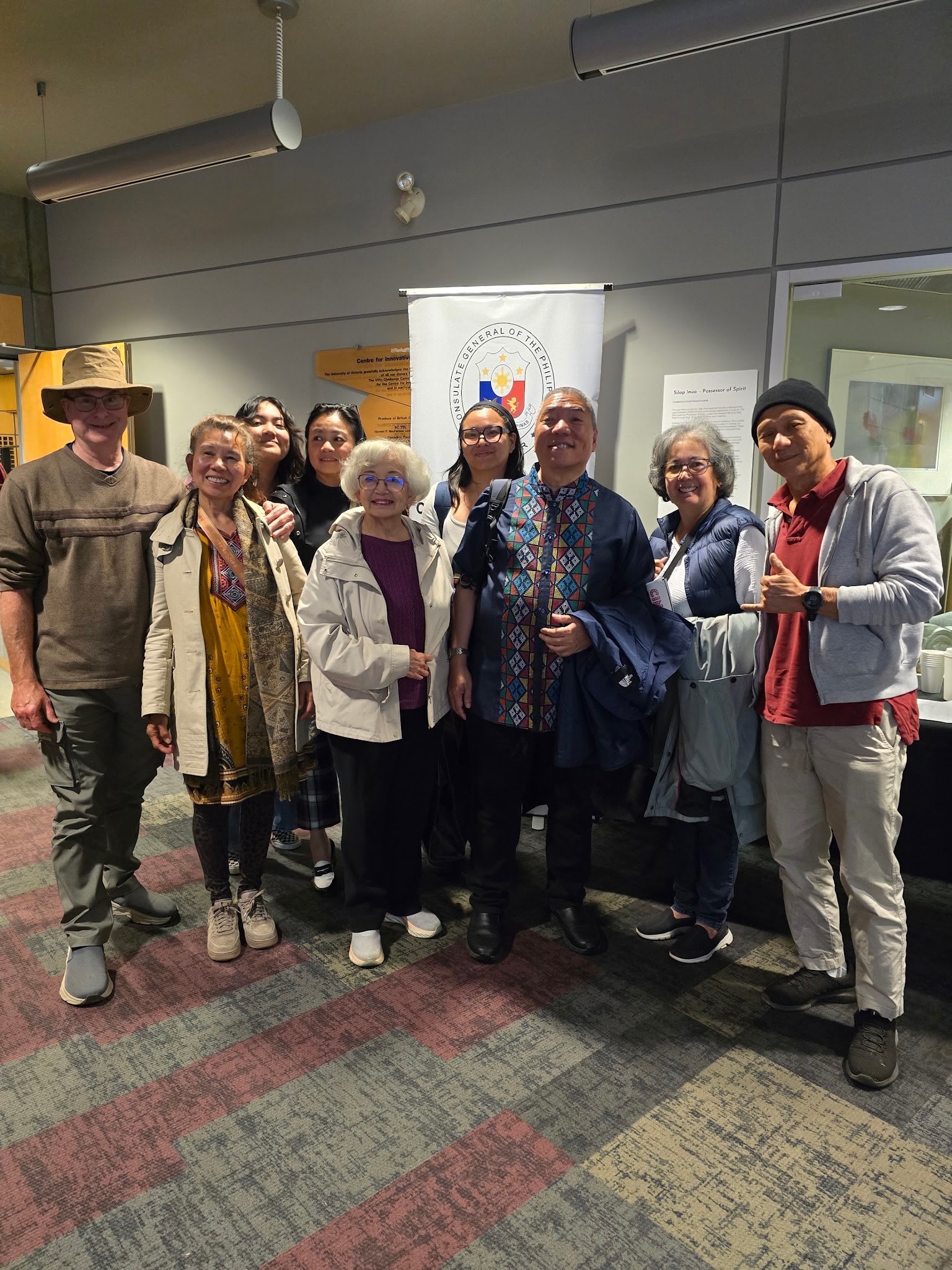
The event concluded with the presentation of a Gift of Appreciation to Dr. Ocampo by Ms. Sheryl Karras, followed by a photo opportunity with attendees.
END